


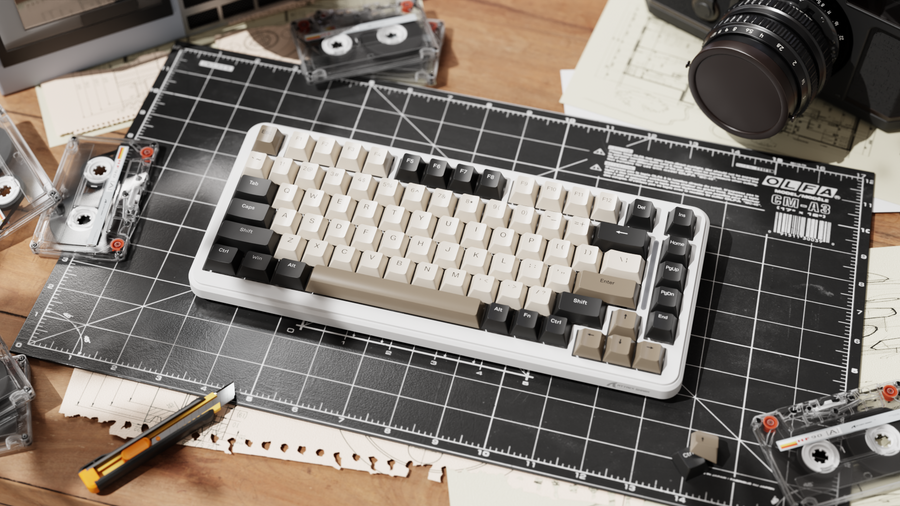
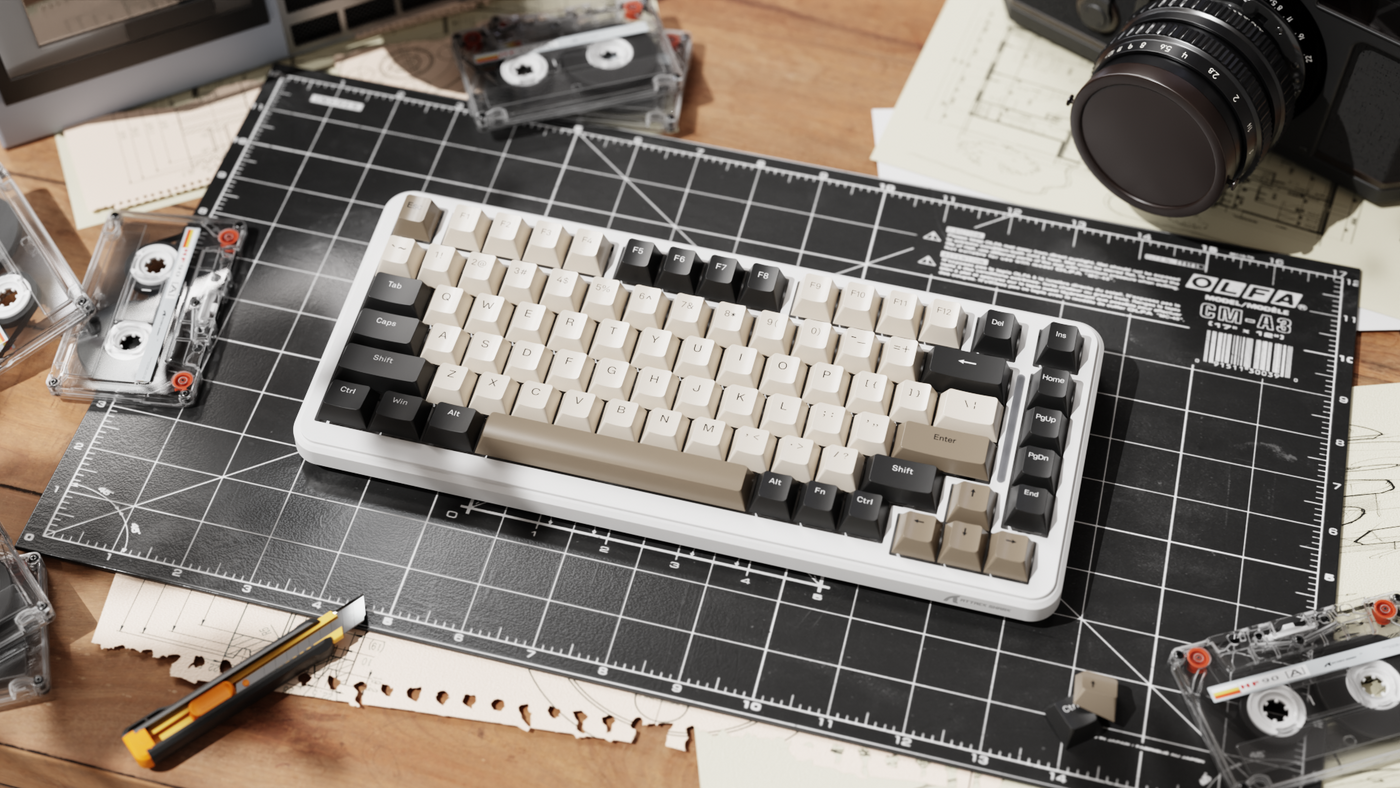
Box Stem Architecture: Enhancing Keycap Stability
This guide explains how box stem design reduces key wobble by 50%, improving gaming precision. It covers material science, system precision, and performance ...

Country
Language
Explore practical buying guides, setup ideas, and product tips from the latest articles.
Featured
This guide explains how box stem design reduces key wobble by 50%, improving gaming precision. It covers material science, system precision, and performance ...

A guide to stem-housing tolerances for eliminating keyboard wobble and improving typing stability and acoustics for gamers and enthusiasts.
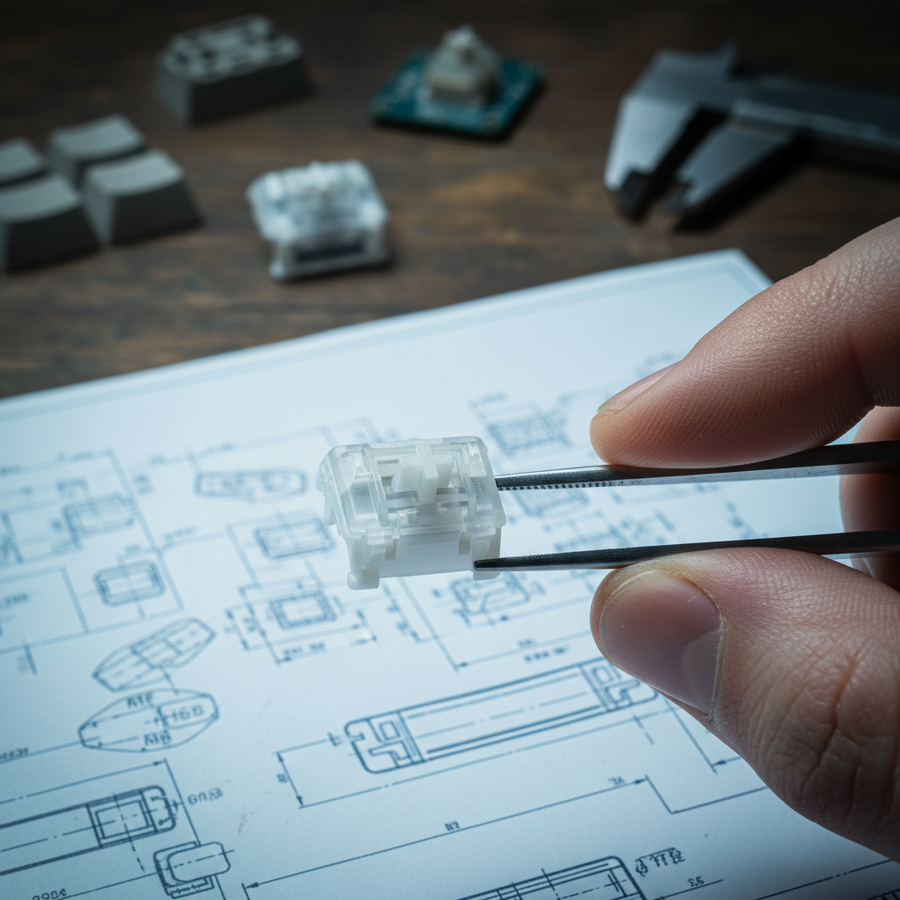
Covers friction coefficients, thermal stability, and scenario modeling for competitive gaming environments.
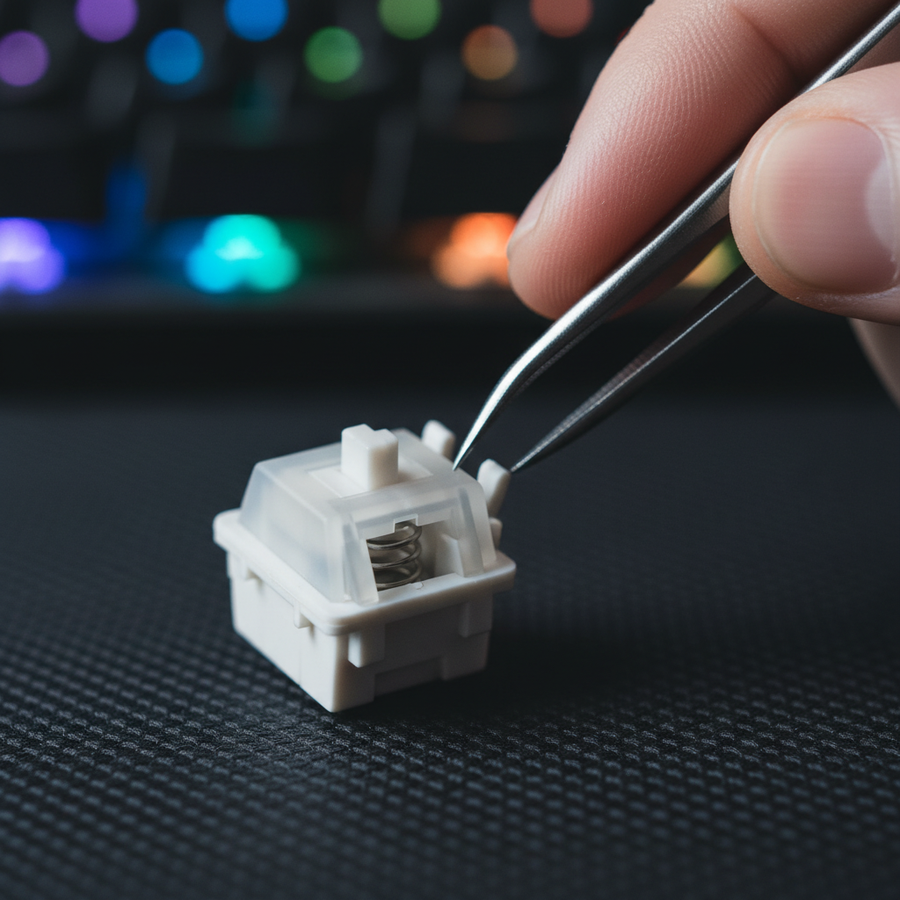
Covers diagnosis with the Lateral Wobble Test, torque standards, and pairing mods with PBT keycaps for a rattle-free typing experience.
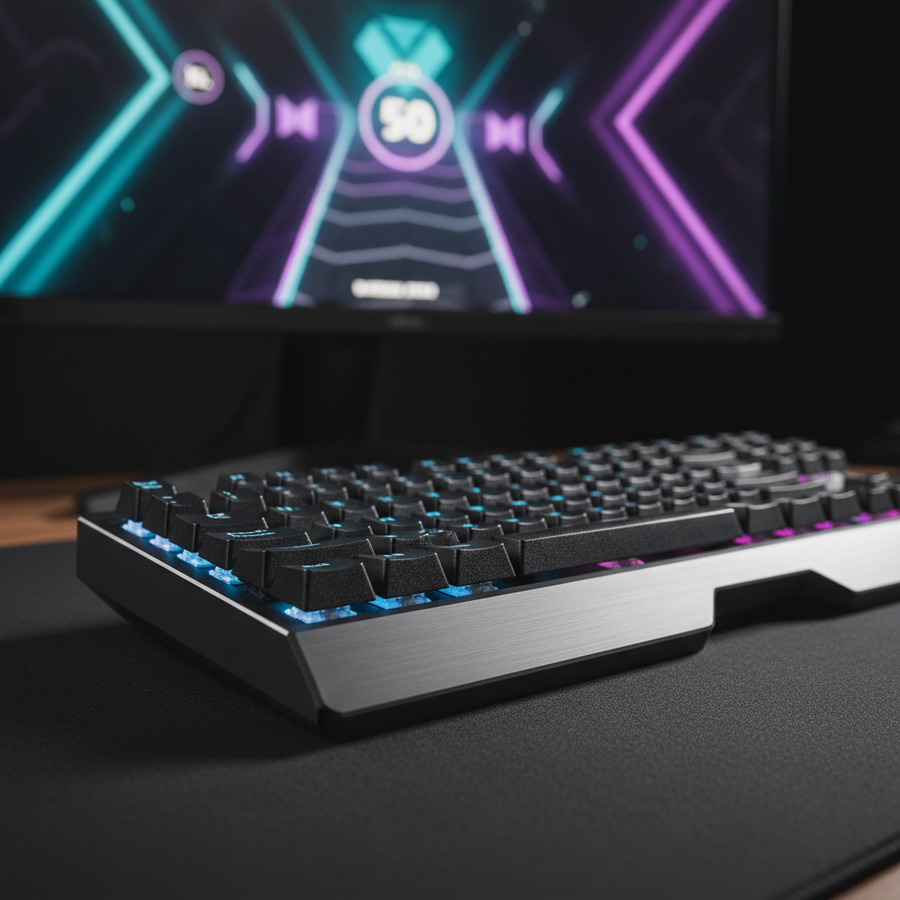
Covers plate materials, Hall Effect latency, 8000Hz polling, and ergonomic strategies for high-BPM gaming health.
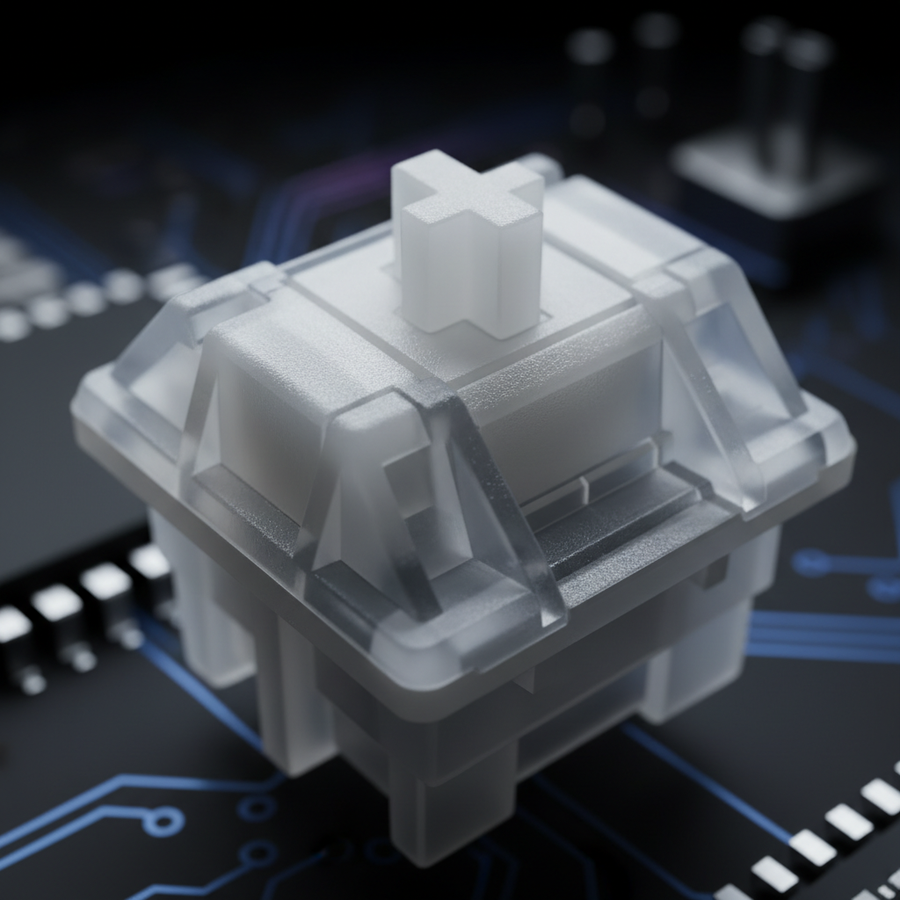
A guide to diagnosing mechanical keyboard switch defects using auditory cues. Learn to distinguish stem scratch from other noises and understand it...
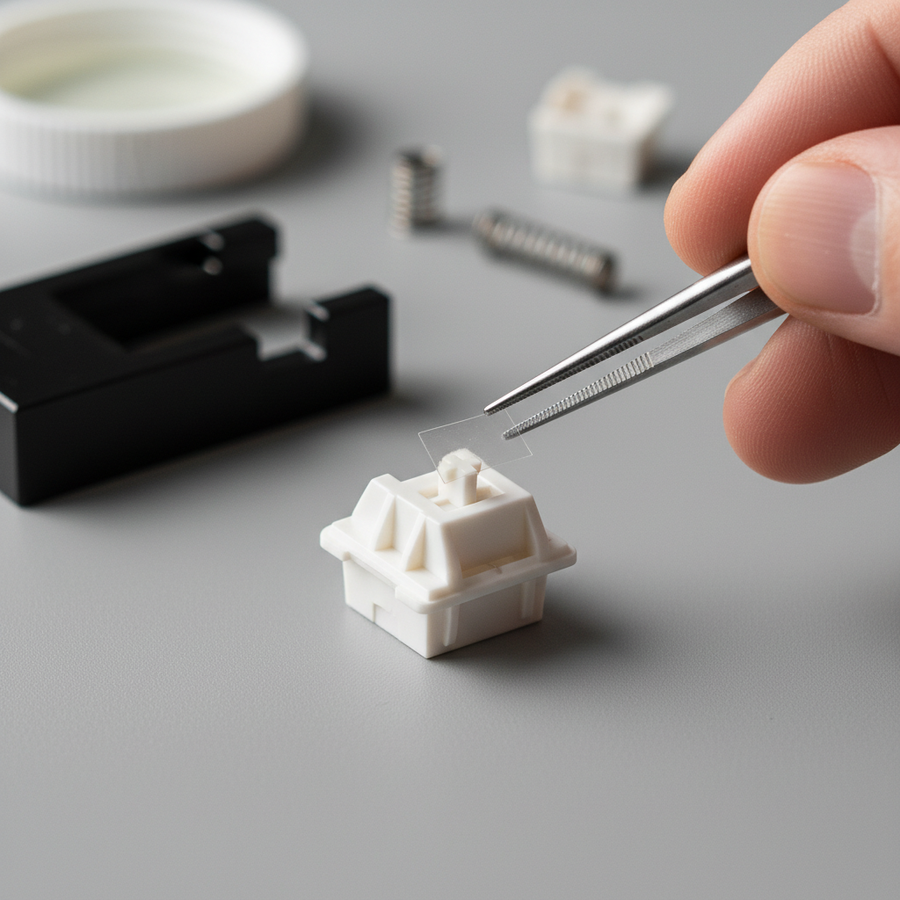
Covers housing tolerances, PET/PC/PE film materials, 0.15mm thickness impact, and compliance with FCC/ISED for safe modding.
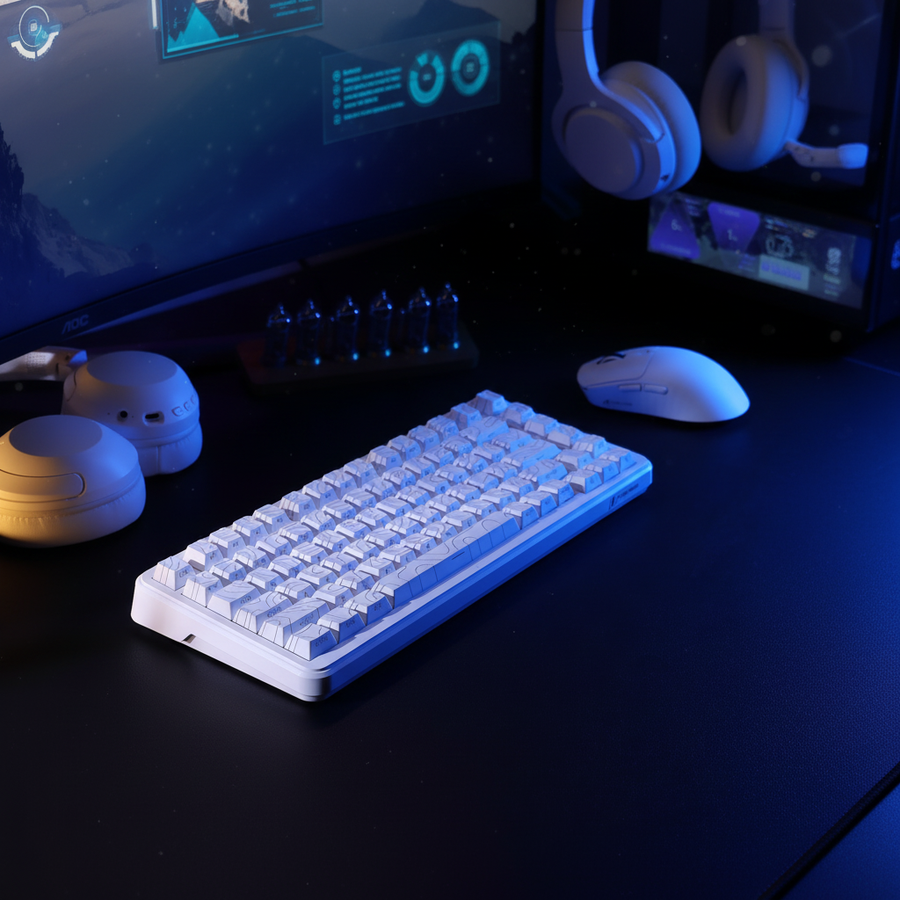
A biomechanical guide on how keyboard width affects shoulder fatigue and aiming precision in gaming, with data on layouts and setup optimization.
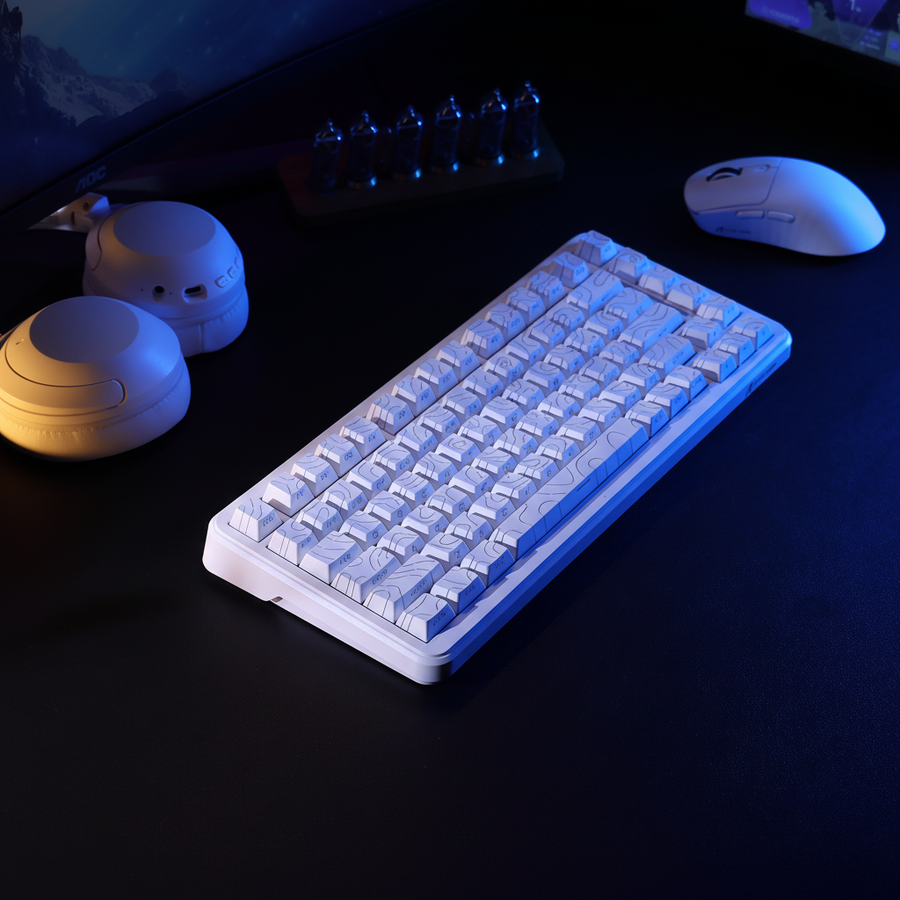
A guide to ortholinear vs. staggered keyboard layouts for gamers. Explores if a grid layout improves aim consistency and movement command reliability.
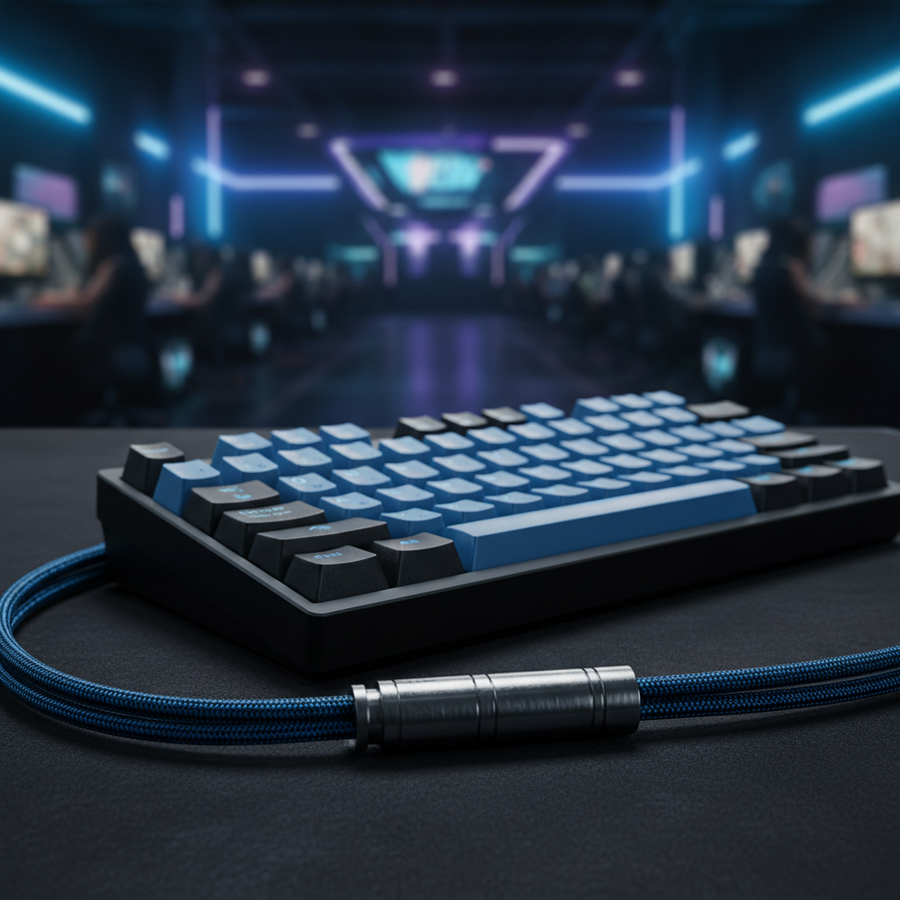
Covers 75% vs full-size layouts, RF interference at events, wired reliability, and onboard memory for tournament PCs.
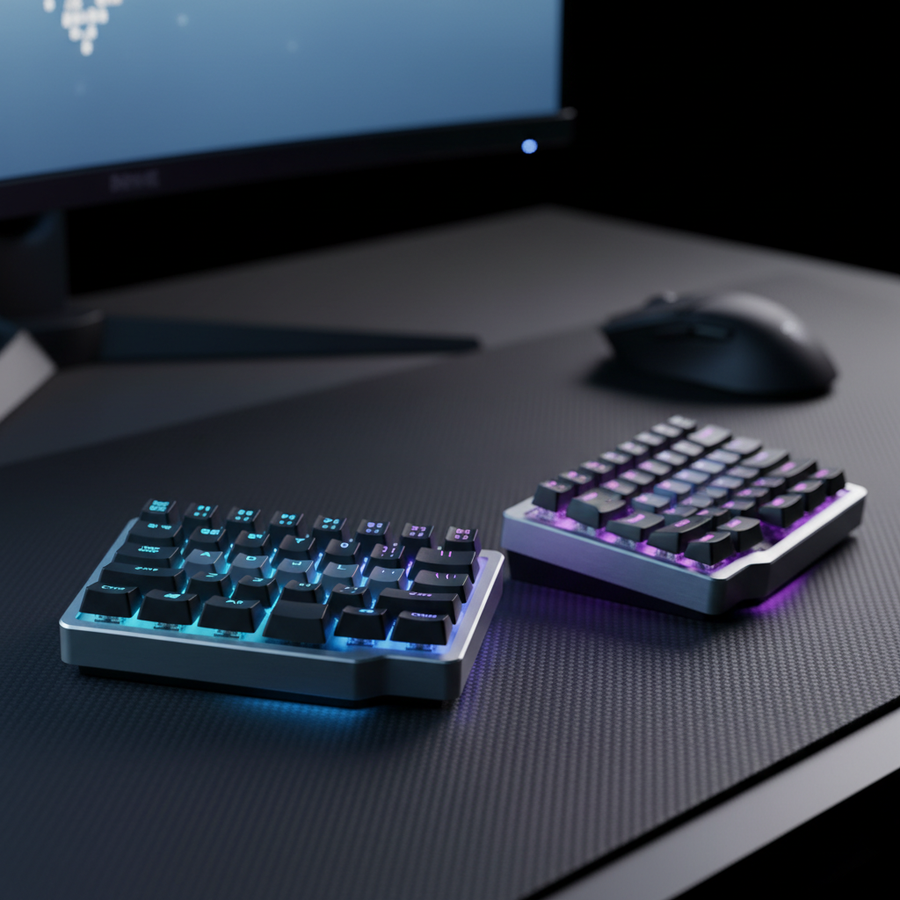
Covers ergonomic benefits, adaptation phases, and the performance advantage of Hall Effect switches in a high-polling environment.
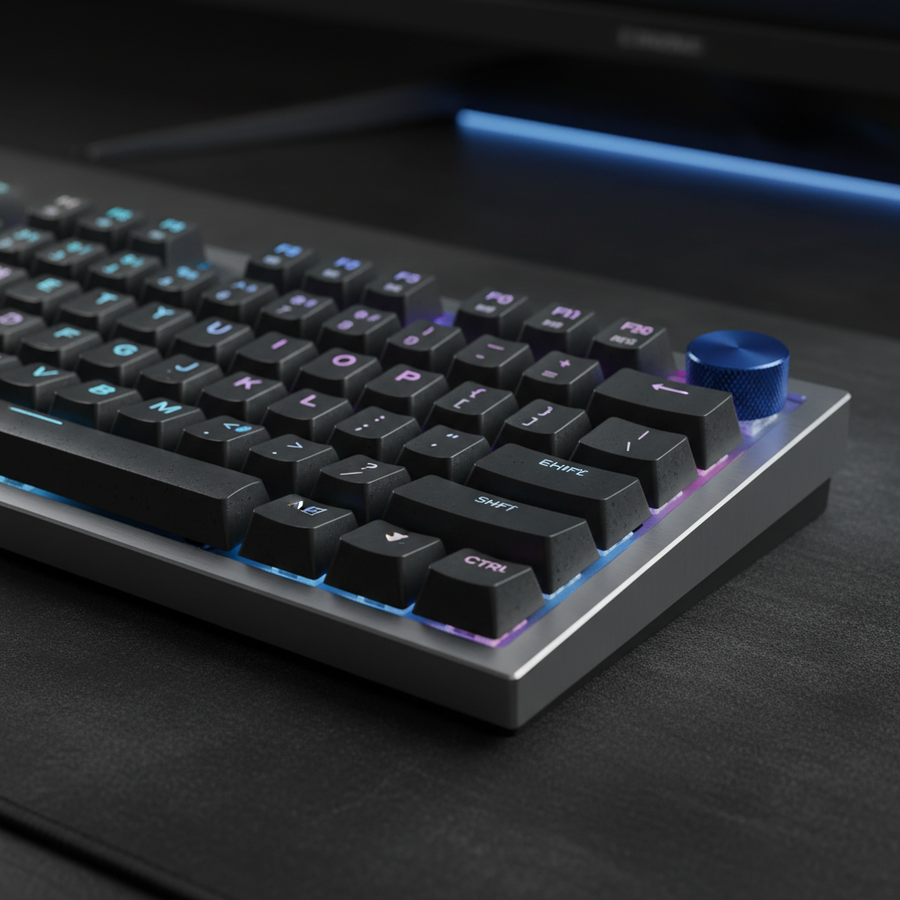
Covers ergonomic heuristics, Hall Effect switch latency advantage, regulatory compliance, and muscle memory adaptation strategies.

Covers biomechanics, Moore-Garg Strain Index analysis for gaming, Hall Effect switch latency gains, and mouse-fit synergy for large-handed users.
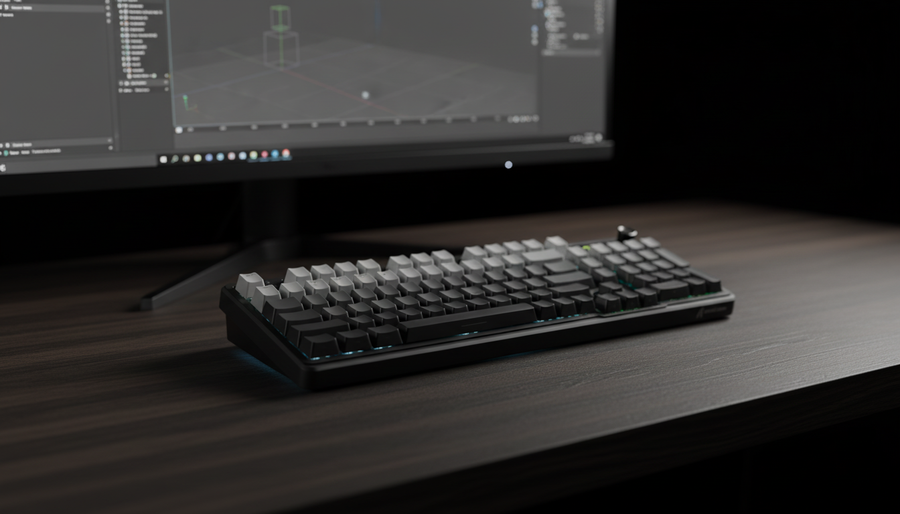
A guide to southpaw keyboard layouts, focusing on ergonomics, workflow efficiency, and technical considerations for left-handed and power users.
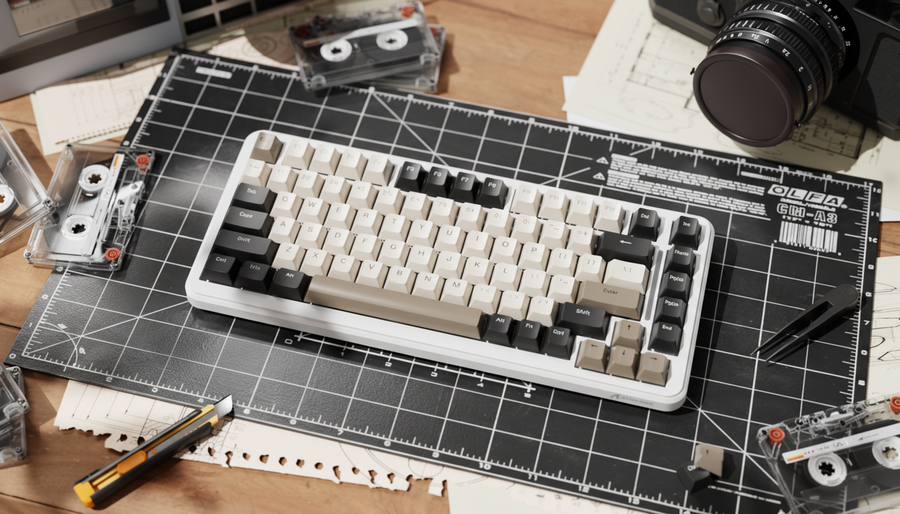
Compares ANSI and ISO layouts for modding, including geometry, keycap availability, ergonomics like the Moore-Garg Index, and alternative solutions.
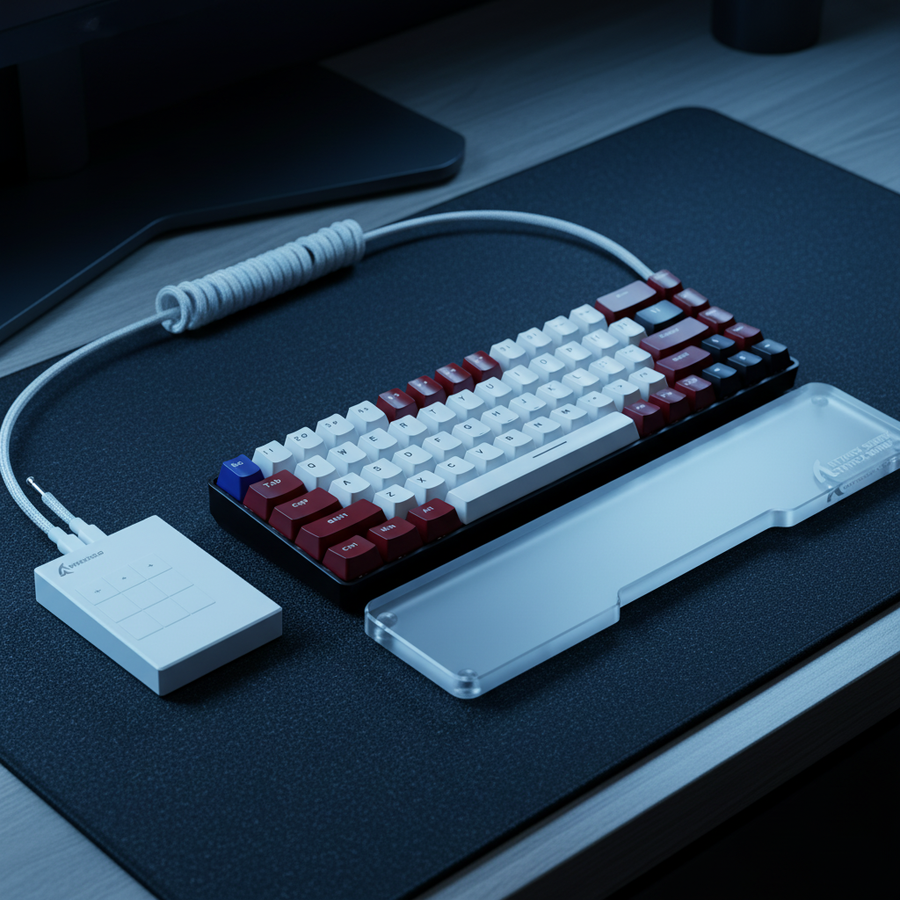
Covers Southpaw layouts, latency reduction with Hall Effect switches, and managing 8000Hz polling for a high-performance, space-efficient gaming desk.


